
Advice & guidance

Knowledge to support your journey.

Clear, responsible guidance around recovery, lymphatic health, treatment preparation and aftercare — designed to help you ask better questions and make informed choices.

Start here

Recovery advice should support your medical care — never compete with it.

Therapy can be a valuable part of recovery and wellbeing, but surgery, unexplained symptoms and changes in your health should always be considered in the right clinical context.

Read client information →

Guidance library

Practical information you can actually use.

These summaries provide general client education. Individual suitability and recovery questions should be discussed with the clinic or the appropriate medical professional.

01

Post-surgical care

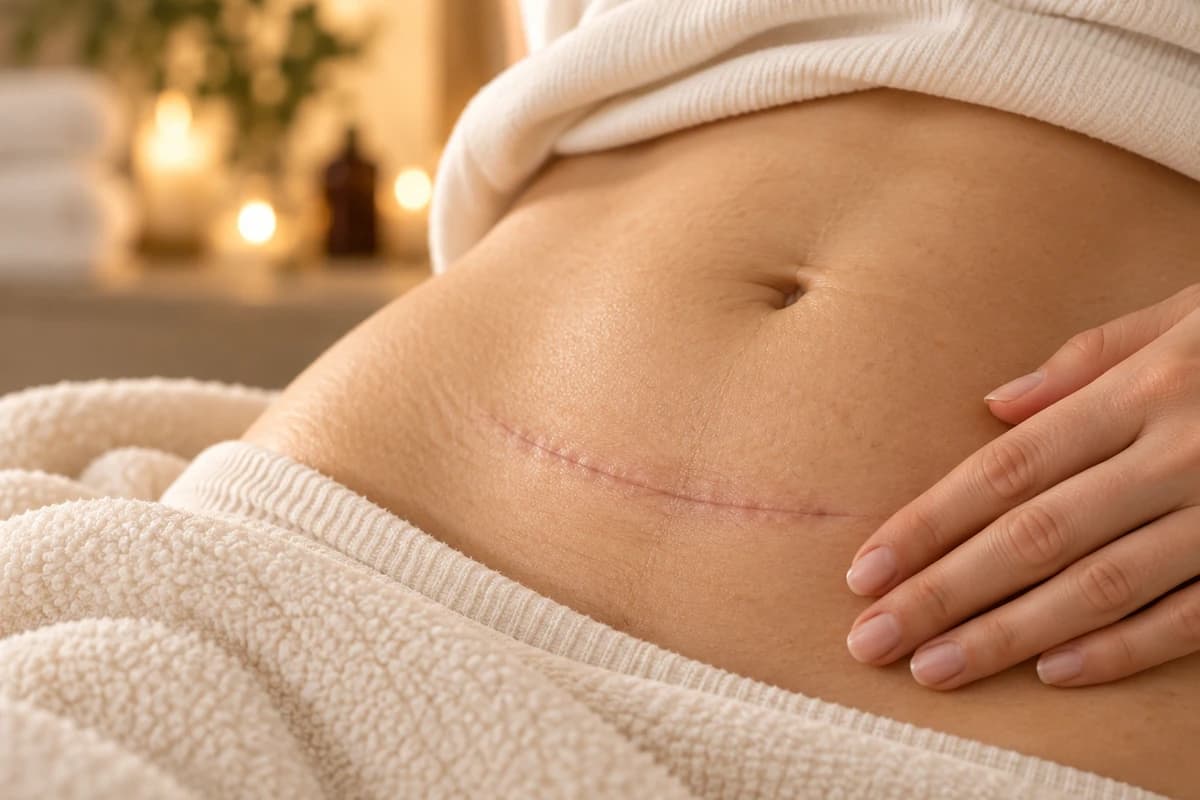
Understanding scar healing

Scar tissue changes over time. Early healing, established scars and mature scars can each require a different approach.

  • Follow your surgeon’s wound-care and activity instructions first.
  • Treatment should only begin when the area is suitable and appropriately healed.
  • Tenderness, colour and texture can change as healing progresses.
Read guidance →
02

Lymphatic health

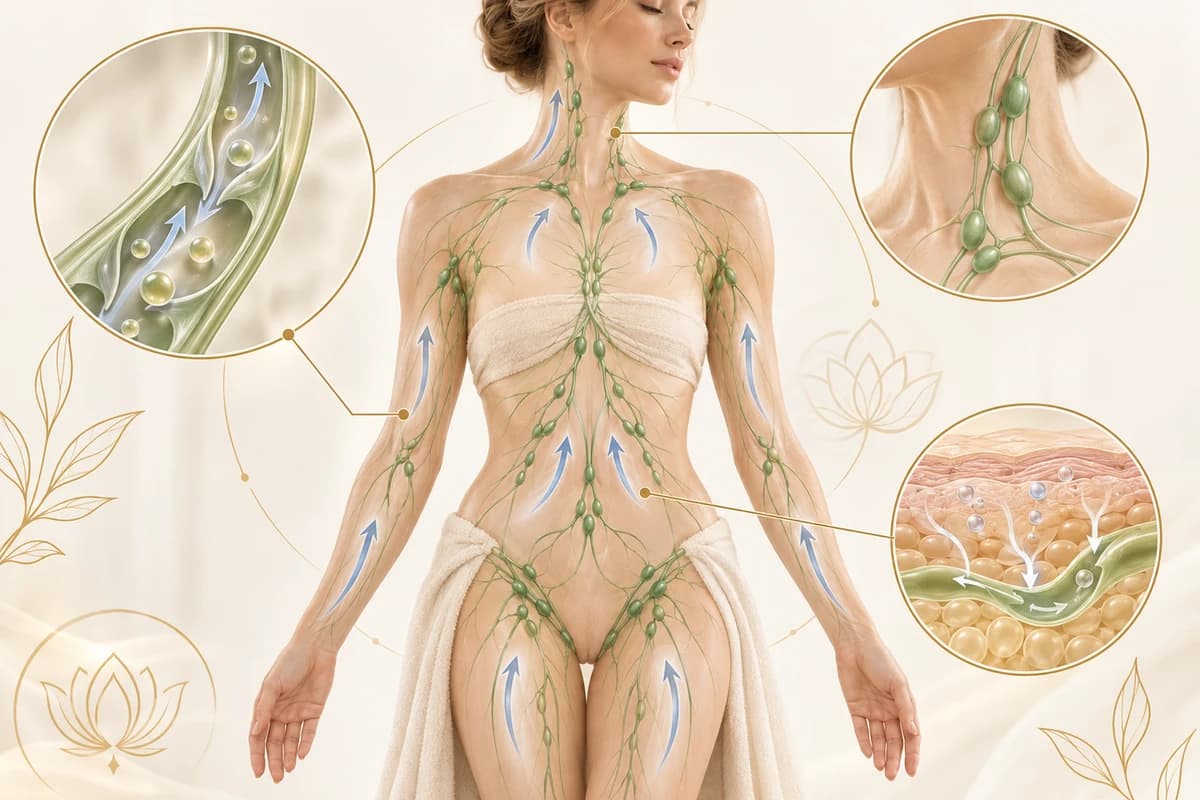
What Manual Lymphatic Drainage is

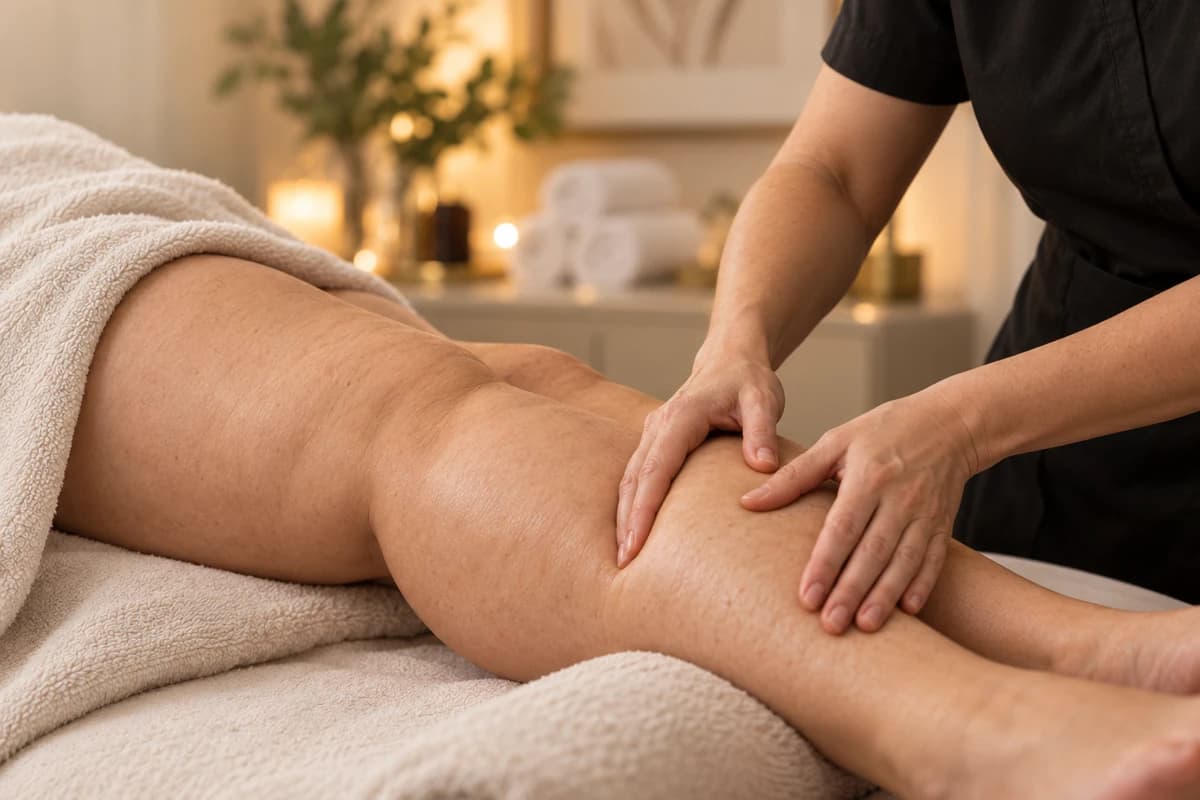
MLD is a gentle, specialised technique intended to support lymphatic movement. It is not the same as deep-tissue or conventional massage.

  • Pressure is typically light and treatment should not feel forceful.
  • Your health history and reason for treatment should be discussed first.
  • MLD is not a substitute for assessment of unexplained or concerning swelling.
Read guidance →
03

Recovery

Preparing for a post-surgical appointment

Bringing the right information helps make an appointment safer and more useful, especially in the early stages of recovery.

  • Bring relevant surgery dates and any aftercare instructions you have been given.
  • Mention medication, complications, infections or changes in your recovery.
  • Wear comfortable clothing that makes the treatment area easy to access.
Read guidance →
04

Lipoedema

Supportive care for lipoedema

Lipoedema is a long-term condition that can affect comfort, mobility and quality of life. Support should be individual and realistic.

  • Symptoms and severity vary considerably from person to person.
  • Management may involve several healthcare and supportive approaches.
  • Therapy should complement, not replace, appropriate medical assessment.
Read guidance →
05

Aftercare

After massage or lymphatic treatment

Most aftercare is simple: give yourself time, stay comfortable and follow any treatment-specific guidance provided at your appointment.

  • Avoid assuming that soreness or swelling is always a normal treatment response.
  • Follow personalised guidance rather than generic internet advice.
  • Contact the clinic if you are unsure about a non-urgent treatment response.
Read guidance →
06

Safety

When therapy should wait

Some symptoms need medical assessment rather than a therapy appointment.

  • Seek urgent medical help for chest pain, severe breathlessness or collapse.
  • Worsening redness, heat, fever, discharge or rapidly increasing pain after surgery should be medically assessed.
  • New one-sided calf swelling or significant sudden swelling should not be treated routinely without appropriate medical advice.
Read guidance →

Before your appointment

A few things worth checking first.

01Is the treatment appropriate for where you are in your recovery?
02Have you mentioned anything new or different in your health since booking?
03Do you have guidance from your surgeon or medical team that the therapist should know?
04Are you unsure enough that a medical opinion would be safer before treatment?

Please note

Guidance, not diagnosis.

The information on this page is general educational guidance. It does not diagnose a condition, replace medical assessment or override instructions from your surgeon, GP or healthcare team.